Research
Flow Programming of Polymeric Liquids
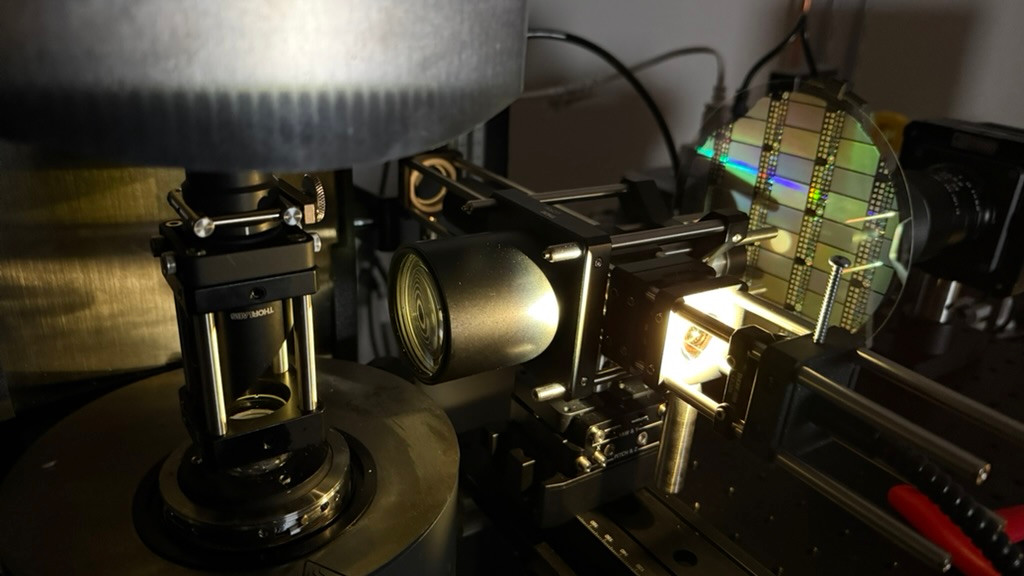
We connect rheological response with microstructure through full-field imaging and birefringence measurements. In parallel, exponential-shear experiments examine how molecular-weight dispersity changes the onset of coil-stretch in polymer solutions, toward understanding selective flow-induced chemistry.
Effects of Large Hydrostatic Pressures on the Mechanics of Foams and Compressible Emulsions
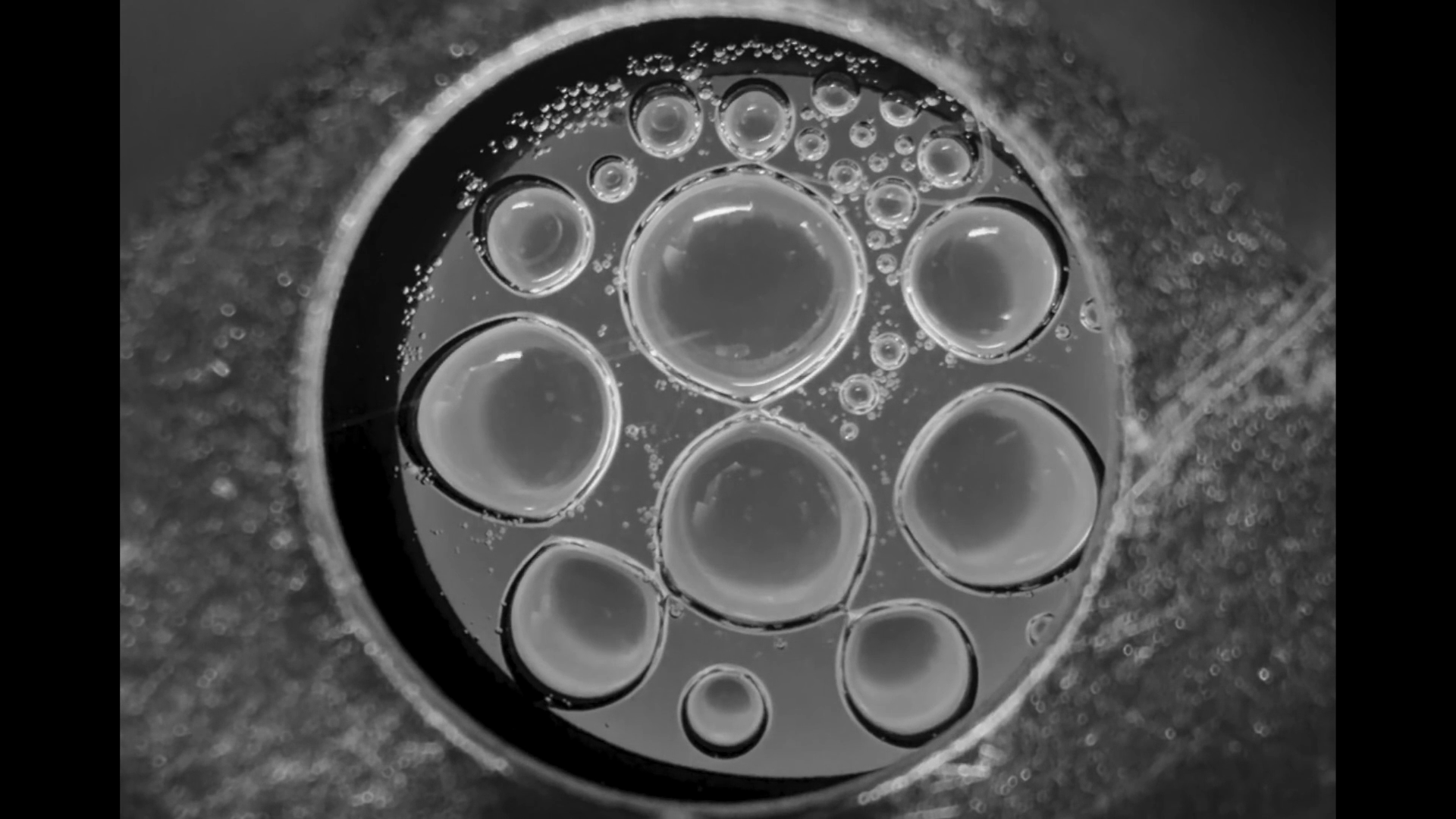
We connect hydrostatic pressure-driven changes in microstructure with dynamical properties like yield stress and shear thinning. By imaging these structures under both flow and large pressures, we aim to understand the mechanics of tissue-like materials that can inhabit extreme environments like the bottom of the ocean.
Swimming Polymers
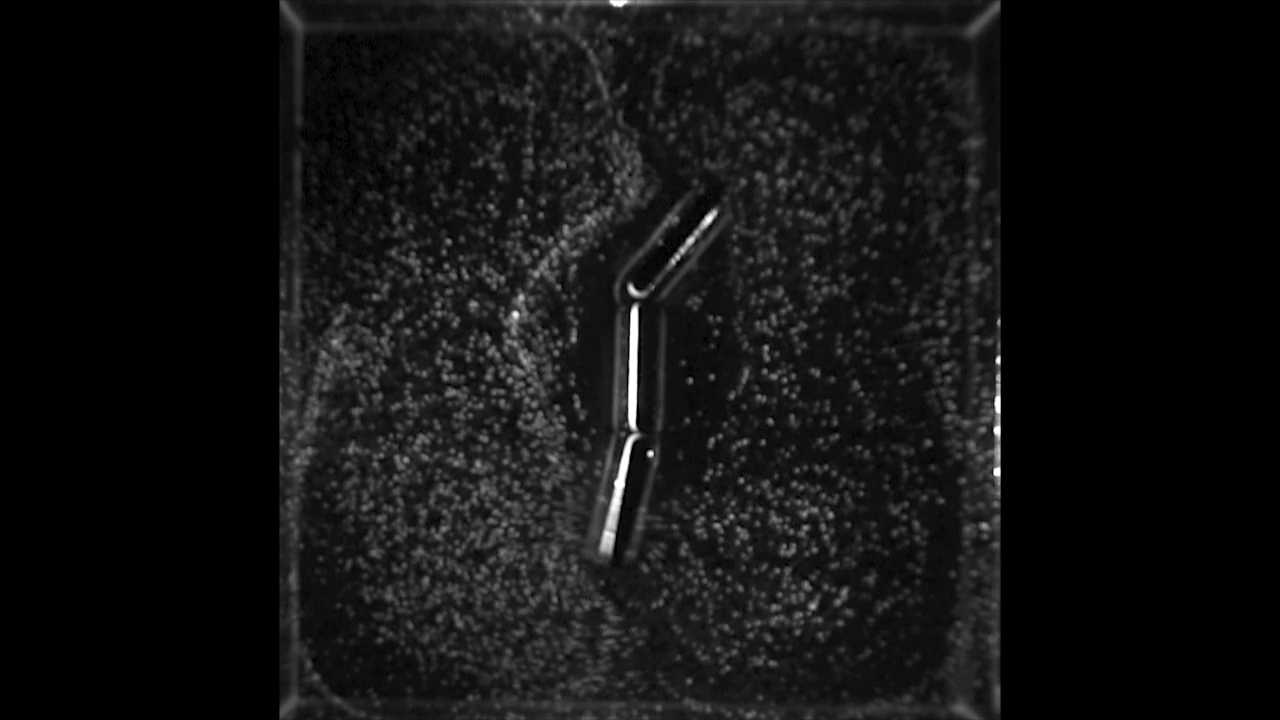
Here we show how slender structures can swim, adapt, and generate motion for tasks beyond maximum speed.
Evaporation-driven self-assembly of networks
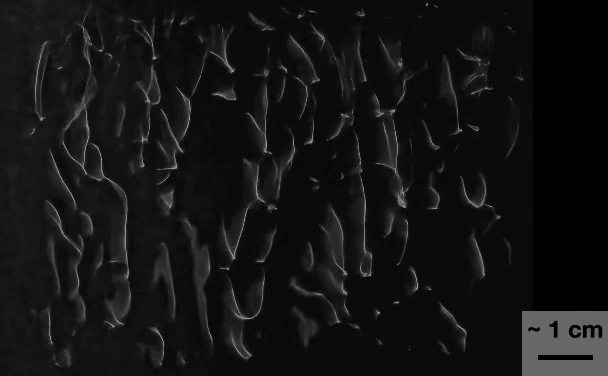
We study evaporation-driven network formation and Rayleigh–Taylor instabilities in polymer solutions. Schlieren imaging and rheology examine how humidity, distance from the free surface, and polymer and surfactant content shape evolving structures.
Frugal Science Tools for Advanced Topics in Fluid Mechanics
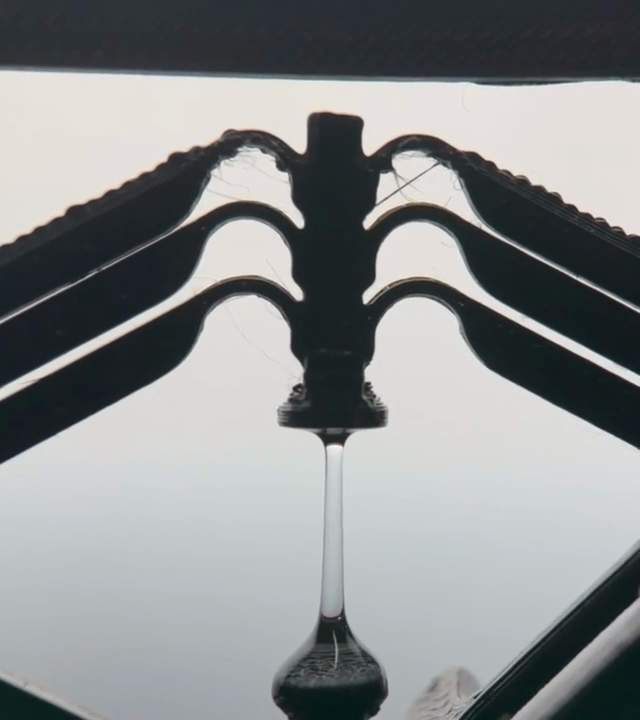
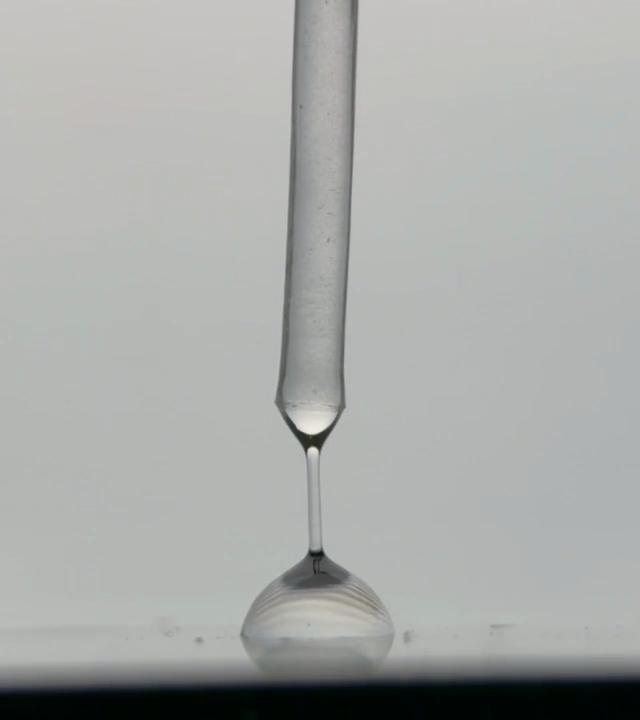
PocketCaBER and PocketDoS are portable, open-source, 3D-printable tools for measuring extensional properties of viscoelastic fluids. We compare their performance and limitations with laboratory equipment and use them in hands-on teaching.